
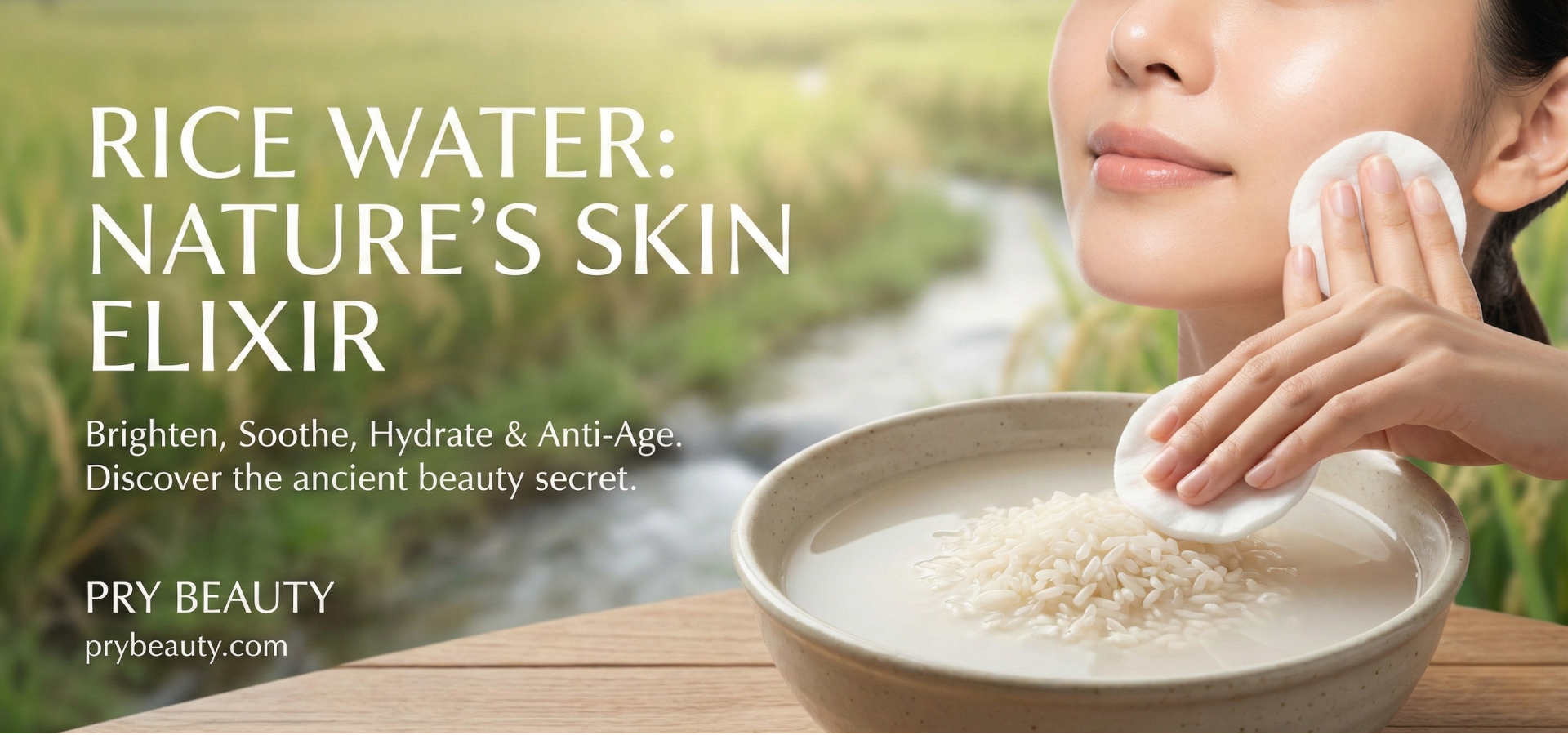
For centuries, the secret to a luminous, poreless complexion—often referred to as "Glass Skin"—has been hiding in a simple kitchen staple: rice. From the imperial courts of the Japanese Heian Period to modern multi-step beauty routines, rice water has been the ultimate elixir for radiant skin.
Modern dermatology has finally caught up with tradition, discovering that this starch-rich liquid is a nutritional powerhouse. For those of us navigating urban environments with high humidity and pollution (like Mumbai), rice water acts as a soothing, antioxidant-rich shield. Whether you are looking for an affordable DIY hack or a science-backed glow, this professional guide covers everything you need to know.
The Science: The Nutrient Profile
Why does rice water work so effectively at a cellular level? It's all in the chemistry. Rice grains contain bioactive compounds that are released into the water during soaking or boiling.
| Nutrient | Professional Skin Benefit |
|---|---|
| Ferulic Acid | A high-potency antioxidant that neutralizes free radicals and shields against UV and pollution damage. |
| Inositol | A specialized carbohydrate that promotes cell regeneration and improves skin elasticity. |
| Allantoin | A rich emollient that soothes inflammation and accelerates the healing of minor irritations. |
| Amino Acids | The building blocks of skin protein; they repair the skin barrier and keep it supple. |
Top Benefits & Professional Application
1. Barrier Repair & Hydration
Studies show that the starch in rice water improves skin barrier function, especially for those suffering from irritation caused by harsh weather or chemical cleansers.
Explore our Professional Hydrating Face Care range →
2. Brightening & Pigmentation Control
Rice water acts as a natural inhibitor of tyrosinase (the enzyme responsible for melanin production), helping to fade dark spots and even out skin tone without harsh bleaching agents.
3. Oil Control & Pore Tightening
Its natural astringent properties help "shrink" the appearance of large pores and regulate excess sebum production—perfect for oily or combination skin types.
💡 Professional Usage Guide: Never apply rice water (or any toner) to a dirty face. Always perform a Double Cleanse first. Use an oil-based cleanser to remove sunscreen and sebum, followed by a gentle water-based cleanser. This ensures the Ferulic Acid and Inositol in the rice water can actually penetrate your pores rather than sitting on top of trapped dirt.
DIY: 3 Ways to Prepare Rice Water
1. The Soaking Method (Best for Beginners & Sensitive Skin)
Process: Rinse ½ cup of uncooked rice. Add 2 cups of water and soak for 30–60 minutes. Strain.
Result: A gentle, milky liquid perfect for daily toning.
2. The Boiling Method (Most Concentrated)
Process: Cook rice with 3–4 times more water than usual. Strain the excess starchy water once the rice is soft.
Result: A potent concentrate that should be diluted with plain water before use. Great for dry skin.
3. The Fermented Method (Anti-Aging Powerhouse)
Process: Prepare soaked rice water, but leave it in a jar at room temperature for 24–48 hours until it smells slightly sour.
Result: Fermentation lowers the pH and increases the concentration of antioxidants.
Don't want the DIY hassle? Shop our ready-to-use professional toners and serums.
⚠️ Safety & E-E-A-T Note: Fresh DIY rice water has no preservatives and must be refrigerated and discarded after 5–7 days to prevent bacterial growth. Additionally, if you have fungal acne (Malassezia folliculitis), avoid fermented rice water, as the natural yeasts created during fermentation can trigger severe breakouts. Always perform a patch test on your jawline first.
Expert FAQs
Q: Can I leave rice water on my face overnight?
A: Yes. Many use it as a "sleeping mask" to let the amino acids repair the skin while they sleep. If you have very dry skin, follow up with a professional moisturizer to seal it in.
Q: Does rice water bleach the skin?
A: No. It helps "brighten" by inhibiting melanin production and smoothing texture, giving you a natural glow rather than a lighter skin tone.
Q: Can I use it on sunburnt skin?
A: Absolutely. Its allantoin content and cooling effect make it a fantastic natural remedy for calming UV-induced inflammation.

